Statistics indicate that at least 60% of Americans regret an impulse-buying decision made after seeing a product on social media. With platforms offering targeted advertising, they put the products you need most in front of your eyes, making it hard to resist impulse buying.
This is especially the case in an era when social media ad targeting is becoming increasingly sophisticated, to the point of understanding the products you have an interest in. This article explores impulse buying and highlights the challenges of resisting it, as well as strategies to protect yourself from this behavior.
What is Impulse Buying?
Impulse buying refers to the spontaneous and unplanned buying of a product or a service. This is often driven by several factors, such as effective advertising methods, emotional state, and cultural factors, rather than long-term, careful considerations. Social media is a key driver of these impulse buying decisions because it creates an environment that interacts with social influencers, offers product recommendations, and displays advertising.
Impulse buying can be divided into different factors, such as:
- Pure impulse buying. This involves purchasing a product or service based on a specific emotion. An example is when you buy a cake because you have a craving for something sweet. This presents a valuable opportunity for brands to capitalize on micromoments and boost conversions.
- Reminder impulse buying. Here, you come across a particular product that reminds you of another separate item. For instance, you can buy a pair of shoes on social media and remember that you also need socks.
- Suggestion impulse buying. Your minds often create this after coming across a marketing message.
- Planned impulse buying. This involves making an impulsive buy based on various factors such as promotions and discounts. For instance, you can come across a product you had thought of buying and realize it has a discount, making you buy it impulsively.
How Social Media Drives Impulse Purchases
In recent years, the impact of social media on consumer behavior has significantly altered how people shop. Nowadays, social media platforms provide instant access to peer recommendations and brand promotions and create an ideal environment for peer buying. Additionally, targeted ads, influencer endorsements, and engaging content are powerful tools that enable creators to purchase in real-time.
Several factors enable social media to trigger impulse buying. From their psychological triggers to their visual appeals, social media platforms are created to drive impulse buying. Let’s examine how these factors influence purchasing decisions effectively.
Visual Appeal
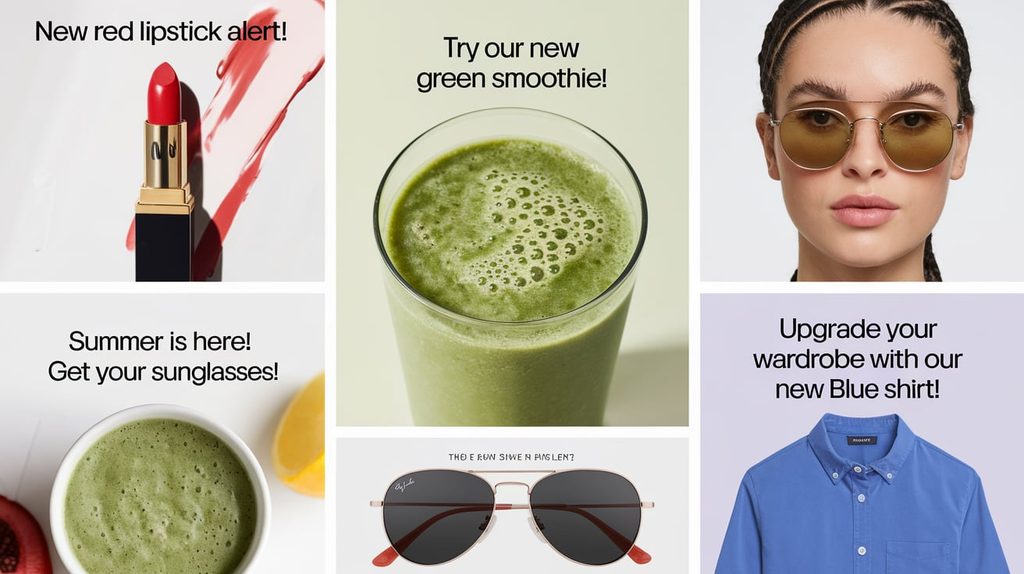
Many social media platforms, such as Pinterest and Instagram, are popular because of their high-quality images and videos that elicit an emotional response from their audience. Whether it is a beautiful jewelry piece or a stylish outfit, the use of visually appealing content creates an immediate desire to own the product.
The addition of shoppable features, allowing customers to click on a video or image and make a purchase directly has encouraged impulse buying, especially when combined with the perfect CTA for different social media platforms.
Immediacy
Social media also offers an immediacy that drives the desire for instant gratification. Additionally, platforms like TikTok and Instagram allow social media users to instantly discover products, often featuring limited-edition items or time-sensitive promotions.
When customers feel they will receive instant gratification, they are more likely to make a purchase. For instance, the use of flash sales, limited-time discounts, or products promising to improve the customer’s life provides the buyer with instant rewards.
Social Proof
Social media has provided an unmatched level of persuasive evidence that can significantly impact purchasing decisions. When social media users discover that a specific product has a high number of likes, positive comments, and shares, they tend to assume that it is of high quality.
This level of validation can lead to impulse buying, as consumers seek validation through the approval of others. Influencer recommendations, peer recommendations, and UGC content can add a sense of social proof and, therefore, lead to impulse buying.
FOMO
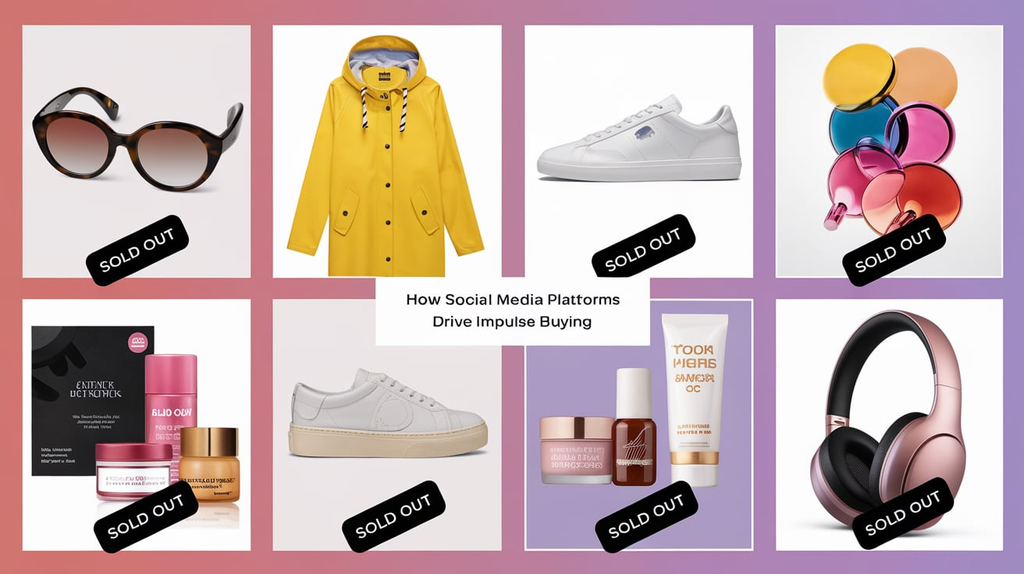
The fear of missing out (FOMO) in social media marketing also influences impulse buying on social media, as these platforms frequently offer limited-time offers, exclusive deals, and flash sales to create a sense of urgency for potential consumers. FOMO is a psychological trigger that prompts people to buy a product quickly without giving it much thought, whether they genuinely need it or not. This is usually amplified through limited stock alerts, discounts ending soon, and countdowns.
Social Media Platforms Promoting Impulse Buying
The features that drive impulse buying differ on different platforms, with each catering to distinct consumer needs. This is why marketers should understand how to use other platforms to meet their marketing strategy.
Shoppable Posts and Stories on Instagram
Instagram is a top social commerce platform, primarily due to its visually driven nature, which is enhanced by features like shoppable posts and engaging instagram stories, making it an ideal platform for promoting impulse buying. Brands can display their products quickly and in an engaging format.
On the other hand, shoppable posts enable users to purchase an item directly from the app with ease. The platform also integrates sponsored content and influencers, further increasing impulse buying.
Facebook Marketplace and Targeted Ads
Facebook is an effective platform for driving impulse buying using targeted ads. Facebook enables advertisers to access user data, allowing them to deliver highly personalized ads to their potential customers. Advertisers can create ads with enticing product offers that align with the user’s preferences and past behavior.
Facebook Marketplace has also become a popular platform for impulse and local purchases, allowing consumers to browse through products and make direct purchases from nearby sellers.
Use of Influencer Marketing and Viral Trends on TikTok
The viral nature of TikTok and the growth of influencer marketing have contributed to its rise as a platform for impulse buying. The short-form content on TikTok is excellent for driving excitement and creativity. Users on the app can discover trending products or those recommended by influencers.
A viral trend can lead to increased sales, as users are more likely to feel compelled to buy a product promoted by popular creators. Because TikTok can make a product go viral in a matter of hours, it has become a top platform for promoting impulse buying. Sellers arriving on the app with an empty account sometimes buy TikTok likes through SocialWick, which moves the number under a clip and leaves the rest to the clip.
Idea Boards on Pinterest
Although Pinterest is a platform for discovery and inspiration, its Pins often link to shopping pages. This enables users to buy directly on the platform as they browse through the idea boards. The platform’s visual nature and the fact that it allows creators to organize and save products into personalized boards encourage them to make purchases depending on their desires and interests.
In Conclusion
Through the use of a smooth shopping experience, convenient and persuasive tactics such as influencer endorsements, scarcity-based promotions, and targeted ads, social media creates an emotional desire. It also reduces the perceived value and social proof to ensure fast purchases.